Wheat development follows a series of defined growth stages from drilling to harvest. While up to 100 stages are commonly referred to within the growth guide, only key milestones are critical for effective crop management. Understanding these stages allows growers to optimise nutrient use, crop protection, yield, grain quality, and environmental performance.
Why Growth Stages Matter
Knowing the main growth stages helps time fertiliser, fungicide, herbicide, and plant growth regulator (PGR) applications accurately. Correct timing improves efficiency, reduces waste and environmental impact, and directly influences yield, grain quality, and farm profitability.
The Growth Stages
The scale divides wheat growth into 10 phases (GS0–GS9) and 100 individual stages. The first digit indicates the development phase; the second shows progress within that phase (e.g. GS13 = three leaves unfolded).
Key Growth Stage Milestones
- GS30 – Start of stem elongation; transition to reproductive growth
- GS31 – First node detectable; nitrogen demand rises
- GS39 – Flag leaf fully emerged (critical for yield)
- GS55 – 50% ear emergence
- GS61 – Flowering (anthesis begins)
- GS87 – Hard dough stage; grain nearly mature
Major Development Stages
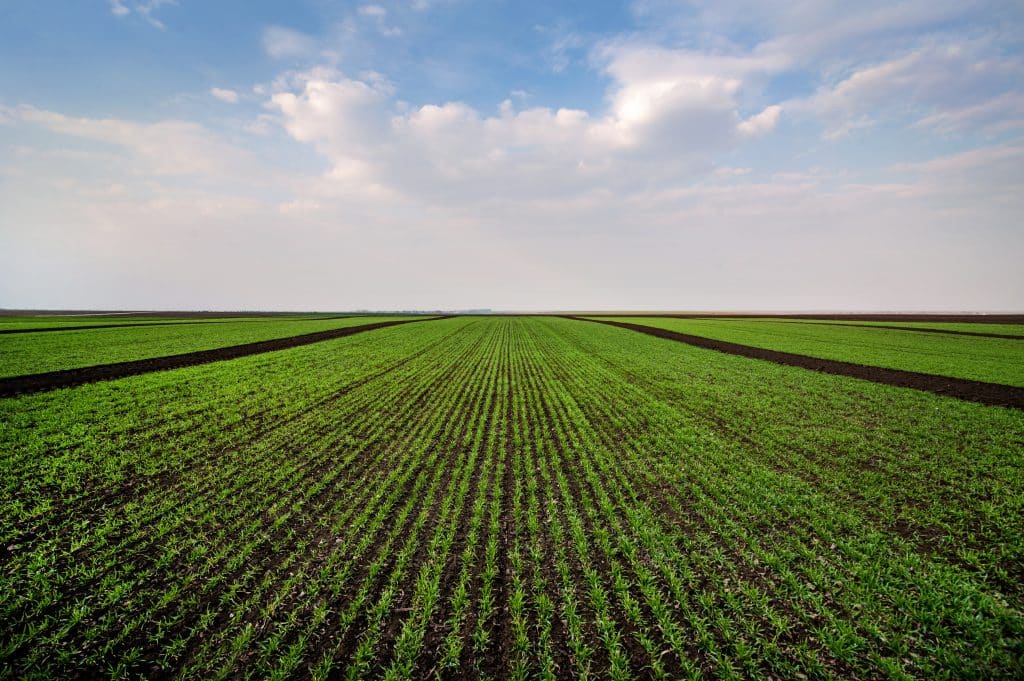
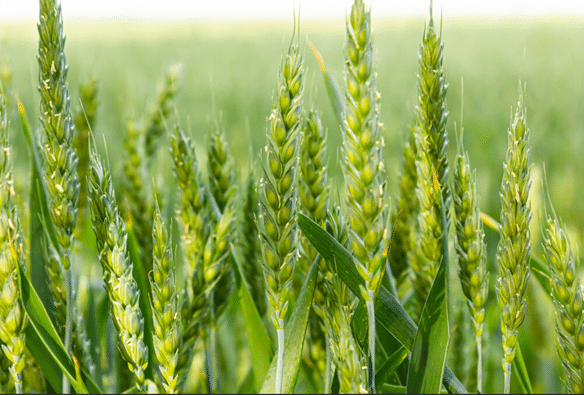
Early Growth: Germination, emergence, and tillering establish plant structure and yield potential. Growth is slow and weather-dependent.
Stem Extension & Flag Leaf: Rapid growth, high nutrient demand, and formation of yield components.
Booting, Heading & Flowering: Critical reproductive stages where nutrient and disease control strongly affect yield and grain quality.
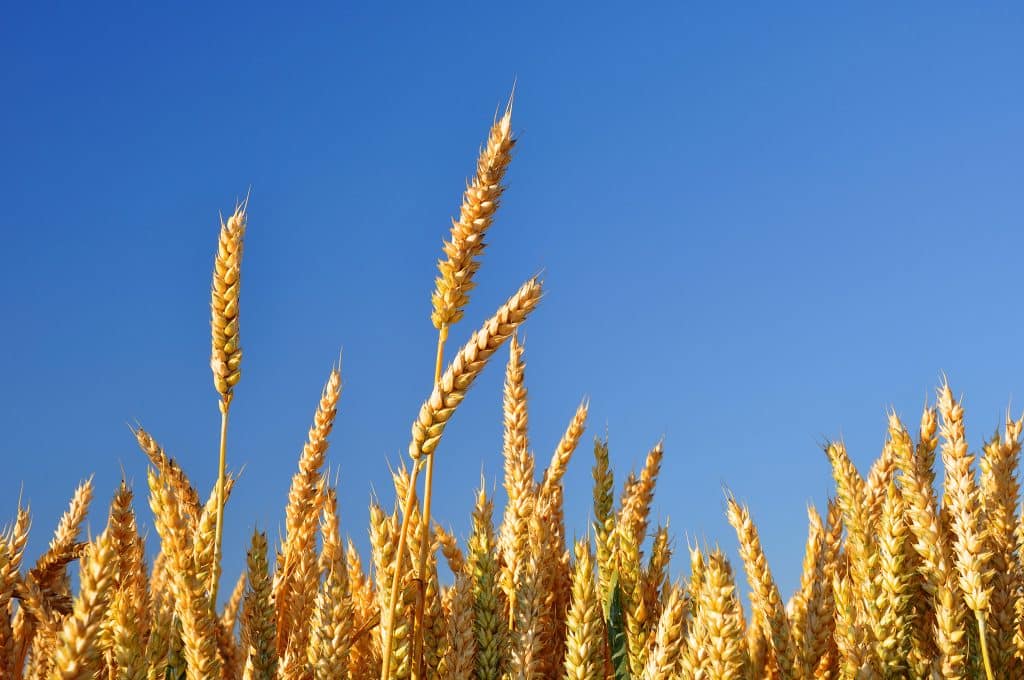
Grain Filling & Ripening: Grain progresses from milk to dough stages before reaching full maturity suitable for harvest.
Input Time and Crop Management
Nutrients:
- P and K applied pre-drilling
- Nitrogen applied in splits, mainly between GS30–GS39
- Late nitrogen may be used to boost milling protein
- Sulphur usually applied with nitrogen
Fungicides:
- T0 (GS25–30), T1 (GS31–32), T2 (GS39), T3 (GS59–61)
Herbicides:
- Timed mainly to weed growth stages
- Pre-harvest applications often at GS87
Plant Growth Regulators (PGRs):
- Early applications (GS30) encourage tillering
- Later applications (GS31–39) reduce lodging
Harvest Considerations
Wheat is ready for harvest when grains are hard, dry, and moisture content is below ~16%. Pre-harvest sprays may be used to aid dry-down and weed control, but weather and field conditions must be suitable, and harvest intervals strictly adhered too.
Conclusion
Although wheat passes through many growth stages, focusing on key growth stage milestones enables precise input timing, improved crop performance, and sustainable, profitable wheat production.